

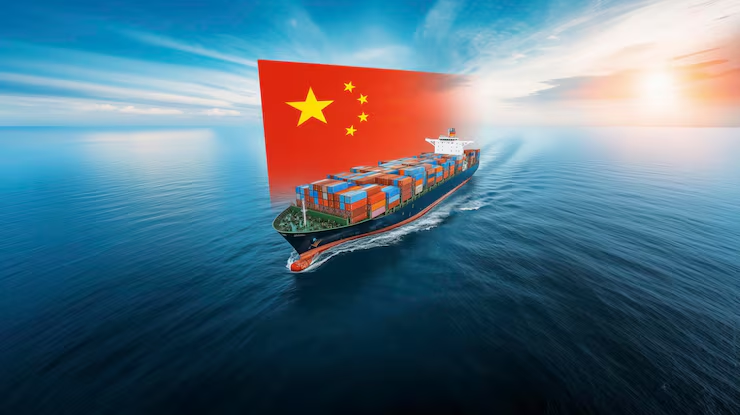
China has become an important sourcing destination for businesses looking for wholesale products, industrial equipment, electronics, apparel, machinery, and automotive products. For Pakistani importers, retailers, distributors, and entrepreneurs, buying from Chinese suppliers can create opportunities to expand product selections and develop competitive businesses.
However, successful importing requires more than finding a supplier with an attractive price. Buyers must evaluate product quality, compare quotations, understand shipping options, prepare import documentation, and calculate the total landed cost before placing an order.
In this guide, we explore the essential steps involved in sourcing products from China, shipping goods to Pakistan, and researching vehicles available in the Chinese automotive market.
Why Do Pakistani Businesses Import Products from China?
Chinese manufacturers supply products across a wide range of industries. Pakistani businesses can explore suppliers for consumer electronics, mobile accessories, home appliances, clothing, furniture, packaging materials, construction supplies, machinery, and automotive components.
Working directly with manufacturers may provide opportunities for bulk pricing, customized products, private-label manufacturing, and long-term supply agreements. However, buyers should compare multiple quotations and verify the supplier’s production capabilities before committing to a purchase.
Businesses looking for factory-direct sourcing opportunities can explore China Wholesale Hub to discover Chinese manufacturers and investigate potential wholesale partnerships.
How to Find Reliable Wholesale Suppliers in China
Finding the right supplier is one of the most important parts of international trade. A low quotation does not always represent the best overall value, particularly when product quality, shipping costs, and delivery requirements are considered.
Follow these practical steps before ordering wholesale goods:
- Research manufacturers: Compare supplier profiles, product catalogs, production capabilities, and business credentials.
- Request product samples: Check materials, dimensions, performance, and finishing before ordering in bulk.
- Compare quotations: Review minimum order quantities, packaging costs, payment terms, and production timelines.
- Confirm product specifications: Document the required quality standards, labeling, packaging, and customization details.
- Arrange inspections when appropriate: Independent inspections can help identify quality problems before goods leave the factory.
Clear communication and written agreements help reduce misunderstandings and make it easier to manage international orders.
Shipping Goods from China to Pakistan
After selecting a supplier and confirming an order, the next step is arranging transportation from China to Pakistan. The best shipping method depends on shipment size, product type, delivery deadline, and available budget.
Air Freight for Urgent Shipments
Air freight can be suitable for smaller consignments, high-value products, samples, and orders that need faster transportation. It generally costs more per unit of weight than sea freight, so importers should compare the overall economics before choosing this option.
Sea Freight for Bulk Imports
Sea freight is commonly considered for larger orders, heavy products, machinery, furniture, and commercial consignments. Full Container Load (FCL) and Less than Container Load (LCL) arrangements can accommodate different shipment sizes.
Door-to-Door Shipping and Customs Clearance
Some importers prefer a coordinated service that manages collection from the supplier, international transportation, customs-related procedures, and final delivery. Before booking, confirm exactly which services, duties, taxes, and delivery charges are included in the quotation.
Businesses planning imports can learn more about China to Pakistan cargo and shipping services to explore available freight options and discuss their shipment requirements.
Understanding Import Costs Before Placing an Order
The supplier’s quoted price is only one component of the total import cost. To estimate profitability accurately, buyers should account for all relevant expenses.
Depending on the shipment, these may include:
- Product purchase price and sample costs
- Domestic transportation within China
- Export handling and international freight
- Insurance, where applicable
- Customs duties, taxes, and clearance charges
- Port handling, warehousing, and local delivery
- Packaging, inspection, and currency conversion costs
Import duties and regulatory requirements vary by product classification and applicable Pakistani regulations. Verify the current requirements for your specific goods before making a financial commitment.
Calculating the landed cost per unit helps wholesalers set realistic selling prices and evaluate potential profit margins.
Exploring the Chinese Used Car Market
In addition to wholesale merchandise, China has an extensive automotive industry offering conventional vehicles, hybrid models, electric cars, automotive components, and used vehicles.
Buyers researching used cars should compare the vehicle’s model year, mileage, maintenance history, accident records, battery condition for electric vehicles, and overall condition. Photographs alone are not sufficient to establish a vehicle’s mechanical condition or market value.
Importers considering a vehicle purchase for Pakistan should also verify current vehicle-import eligibility, age restrictions where applicable, customs duties, taxes, documentation, and registration requirements before paying a supplier.
For buyers researching available vehicles and automotive opportunities, China Used Car Market provides a place to explore vehicles and automotive-related offerings.
Common Mistakes to Avoid When Importing from China
New importers can reduce unnecessary risks by avoiding several common mistakes.
Choosing suppliers based on price alone: Extremely low quotations may involve compromises in quality, specifications, or service.
Skipping quality checks: Product samples and appropriate pre-shipment inspections can help identify potential problems early.
Ignoring shipping and customs costs: Freight, duties, taxes, and local delivery can significantly affect the final cost.
Overlooking import regulations: Some products and vehicles may require additional permits, certifications, or compliance checks.
Failing to confirm payment terms: Agree on production milestones, payment schedules, delivery responsibilities, and dispute procedures in writing.
Careful planning helps businesses make better purchasing decisions and establish more sustainable international supply relationships.
Final Thoughts
Importing from China can offer Pakistani businesses opportunities to expand their product ranges, develop wholesale operations, and explore new markets. The key is to research suppliers carefully, verify product quality, compare shipping arrangements, and calculate the full landed cost before placing an order.
Whether you are sourcing consumer goods, purchasing industrial supplies, arranging cargo transportation, or researching used vehicles, a well-planned import strategy can help you make informed decisions and manage risks more effectively.
Start by researching potential manufacturers, comparing available logistics solutions, and reviewing the relevant product or vehicle import requirements. With proper preparation, businesses can build stronger supplier relationships and pursue long-term growth through international trade.